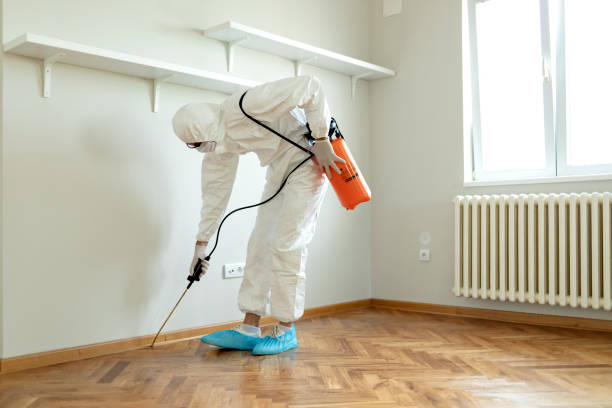
While most ants are harmless, some species can damage property and contaminate food supplies. Proper identification of the ant species is crucial to applying the most effective control methods. Below, we explore common ant species found in households, how to identify them, and best practices for managing infestations.
Identifying Common Ant Species with an Exterminator in Orlando FL
Understanding the type of ants in your home is a key step toward effectively eliminating them.
- Identification: Small (1/16–1/8 inch), dark brown or black ants that produce a rotten coconut-like smell when crushed.
- Behavior: Often nest indoors near moisture sources like sinks or pipes.
- Preferred Food: Sweets, sugary spills, and other carbohydrates.
- Identification: Large ants (up to 0. 5 inches) with black or red bodies.
- Behavior: Nest in damp or decayed wood but do not eat wood like termites.
- Preferred Food: Proteins (insects) and sweets.
- Identification: 1/8 inch long with brown to black bodies and visible grooves on their thorax.
- Behavior: Build nests under sidewalks, driveways, or building foundations.
- Preferred Food: Sugary substances but also proteins such as meats.
- Identification: Light brown ants (2–3 mm long) that move in large trails.
- Behavior: Form massive colonies indoors when searching for food during dry weather conditions.
- Preferred Food: Sweets, oils, and fats.
- Identification: Reddish-brown small ants (1/8–1/4 inch) that inflict painful stings when disturbed.
- Behavior: Tend to build mounds outdoors but can invade homes seeking water during droughts.
- Preferred Food: High-protein foods such as insects or greasy scraps.
Effective Pest Control Service Orlando FL for Ant Infestations
Prevention Steps
- Use caulk to fill gaps around windows, doors, pipes, and utility lines where ants may enter.
- Wipe down surfaces regularly to remove crumbs and spills that attract ants.
- Store food items in airtight containers and avoid leaving pet food out overnight.
- Trim vegetation away from your house that can act as bridges for ants to enter indoors.
Treatment Options
| Treatment Method | Description | Suitable For |
| Baiting Systems | Use gel or granule baits containing slow-acting insecticides placed along active ant trails | Odorous house ants, pavement ants |
| Sprays/Insecticide Dusts | Apply directly into cracks, crevices, or void spaces where nests are located | Carpenter ants |
| Natural Remedies | Apply diatomaceous earth around suspected entry points or use vinegar-water mixtures to disrupt scent trails | Argentine ants |
When to Seek Professional Help
- If DIY measures fail after repeated attempts
- For severe infestations involving structural damage (e. g.
- If fire ant mounds pose safety risks due to their aggressive bites
Monitoring and Follow-Up
Effective control of an infestation requires regular monitoring even after initial treatment: – Reapply bait stations quarterly if needed. – Inspect problem areas weekly for signs of returning activity (e. g. , trails near baseboards).
By combining proper identification with targeted prevention techniques and treatments tailored to specific ant species’ behavior patterns, you can resolve infestations efficiently while minimizing risks of recurrence.
Effective Cockroach Elimination Tips from a Pest Control Company Orlando FL
Cockroaches are among the most resilient and challenging pests to manage, making them a common nuisance for homeowners and businesses alike. Their behavior, adaptability, and rapid reproduction make it critical to understand how they operate in order to eliminate them effectively. Below, we delve into cockroach behavior, their habits, and proven strategies for long-term pest management.
Key Cockroach Habits and Behaviors
- Nocturnal Activity: Most cockroaches are active at night. If you see them during the day, this could indicate a significant infestation.
- Moisture Dependency: Cockroaches thrive in damp environments such as kitchens, bathrooms, basements, and laundry rooms.
- Hiding Tendencies: They prefer dark, tight spaces like cracks in walls, behind appliances, under sinks, or inside cabinets.
- Omnivorous Diet: Cockroaches consume almost anything—leftovers, grease buildup, cardboard glue—and can survive weeks without food but only a few days without water.
By addressing these behavioral patterns directly through targeted methods of control, you can significantly reduce their presence.
Proven Methods to Eliminate Cockroaches Permanently
Effective control of cockroaches involves a multi-step approach that combines cleanliness with appropriate treatments.
Reducing food sources is one of the most effective ways to deter cockroaches: – Store food in airtight containers. – Clean spills and crumbs immediately. – Empty trash regularly and use bins with tight-fitting lids. – Avoid leaving pet food out overnight.
Cockroaches depend heavily on moisture. Addressing water leaks or buildup will limit their survival: – Fix leaky faucets or pipes promptly. – Use dehumidifiers in damp areas of your home. – Ensure good ventilation in bathrooms and kitchens.
Prevent cockroaches from accessing your home by blocking off hiding places: – Use caulk to seal cracks around windows, doors, baseboards, and pipes. – Install weatherstripping under doors.
Baiting is one of the most efficient ways to eliminate entire colonies: | Type of Bait | How It Works | Where to Place | |———————|————————————-|———————————-| | Gel Baits | Consumed by roaches; spreads poison | Near hiding spots or high traffic areas | | Bait Stations | Attracts roaches; traps them inside | Under sinks or behind appliances |
Replace baits regularly for continued effectiveness.
For severe infestations: – Use residual sprays along baseboards or other high-contact areas. – Opt for insect growth regulators (IGRs) that prevent roach reproduction.
Always follow product instructions carefully and consider professional pest control assistance if needed.
Tips for Long-Term Prevention
To ensure long-term relief from cockroach infestations: 1. Regularly inspect your home for signs of activity (droppings, egg cases). 2. Perform routine cleaning in areas prone to crumbs or grease buildup (e. g. , under refrigerators). 3. Monitor high-risk zones such as the kitchen pantry or bathroom cabinets frequently.
By combining proactive prevention with effective elimination techniques tailored to their behaviors, homeowners can maintain a pest-free environment permanently while minimizing reliance on chemical treatments alone.
Understanding Cockroach Behavior and Proven Methods to Eliminate Them Permanently
Their ability to adapt and survive in a variety of environments makes them particularly difficult to eliminate. By understanding their behavior, habits, and preferred environments, you can implement effective strategies for permanent control.
Cockroach Behavior: Habits and Preferences
- Nocturnal Activity: Cockroaches are primarily active at night. If you see them during the day, it could be a sign of a severe infestation.
- Moisture Dependence: They are attracted to moisture and thrive in damp areas like kitchens, bathrooms, basements, or near leaking pipes.
- Food Scavenging: Cockroaches are omnivorous scavengers that feed on crumbs, grease, pet food, spilled liquids, and even non-food materials such as paper or glue.
- Hiding Spots: They prefer dark and narrow spaces such as wall cracks, under appliances, behind furniture, or inside cabinets.
Understanding these patterns is critical for targeting their hiding spots and creating an environment that discourages their survival.
Proven Methods to Eliminate Cockroaches Permanently
- Keep all food sealed in airtight containers.
- Clean up crumbs and spills immediately.
- Regularly clean kitchen appliances like stoves or microwaves where grease can accumulate.
- Avoid leaving pet food out overnight.
- Fix leaks under sinks or other plumbing issues promptly.
- Wipe down wet surfaces such as countertops or sinks after use.
- Empty standing water from dishes left in the sink overnight.
- Inspect your home for cracks in walls, gaps around windows or doors, and small openings around pipes.
- Use caulk or weather stripping to seal these entry points effectively.
- Place gel baits near known hiding places like cabinets or under appliances. These attract cockroaches and poison them upon consumption.
- Use sticky traps in high-traffic areas to monitor activity levels over time.
- Apply insecticide dusts or sprays into crevices where cockroaches hide during the day (e. g. , beneath baseboards).
- Opt for professional-grade products if over-the-counter options fail.
- Maintain Regular Cleaning Practices A clean environment discourages cockroach infestations:
- Vacuum floors regularly to remove eggs that may have been laid by roaches.
- Clean behind refrigerators or stoves where food debris often accumulates unnoticed.
When to Call a Professional
If your efforts don’t seem effective after several weeks of implementing these measures—or if you are facing a large infestation—it may be time to consult pest control professionals. Professionals use advanced tools such as insect growth regulators (IGRs) that disrupt breeding cycles alongside more potent treatments tailored specifically for your home’s needs.
| Signs of Severe Infestation | Recommended Action |
| Frequent daytime sightings | Call pest control |
| Presence of droppings | Consult experts |
| Persistent foul odor | Professional help |
By addressing both behavioral factors and environmental conditions that attract cockroaches while incorporating proven solutions such as baits and professional guidance when necessary, you can achieve long-term results toward eliminating roach infestations permanently.
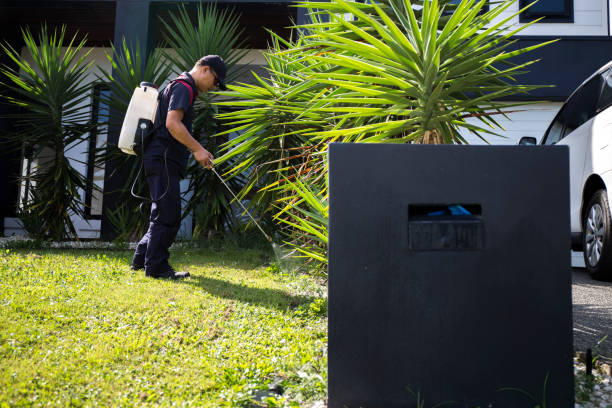
Identifying Termite Infestation Signs and Finding Pest Removal Orlando FL Experts
Below is a guide to help you recognize the signs of termites and determine appropriate professional treatment solutions.
- Wood Damage: Termites consume wood from the inside out.
- Noise Within Walls: Soldier termites bang their heads against wood or shake their bodies when disturbed, creating faint clicking sounds that may be heard in quiet environments.
The Importance of Professional Termite Inspections
Regular inspections by licensed pest control specialists can help detect hidden infestations and assess damage severity before it worsens.
Professional inspectors use advanced tools such as moisture meters, infrared cameras, and acoustic detection devices to locate termite colonies that may not be visible to the untrained eye.
Effective Treatment Solutions for Termite Control
After identifying an infestation, choosing the right treatment method is essential for eliminating termites effectively.
| Treatment Method | Description | Best For |
| Liquid Termiticides | A liquid chemical barrier applied around a structure’s foundation to kill existing termites and repel others. | Preventing reinfestation |
| Bait Systems | Bait stations containing slow-acting toxins are placed around the property to attract and poison termites over time. | Large infestations |
| Fumigation | A gas treatment that penetrates every area of an infested building to eliminate all termites within it. | Severe widespread infestations |
| Wood Treatments | Direct application of borate solutions or other specialized insecticides onto untreated wooden surfaces. | Targeted protection against drywood termites |
Tips for Preventing Future Infestations
- Eliminate Moisture Sources: Repair leaky pipes or faucets and ensure proper drainage around your home’s foundation.
- Maintain Distance Between Soil and Wood: Keep at least 18 inches between soil levels and any wooden structures.
- Store Firewood Properly: Keep firewood away from your home’s exterior walls.
- Seal Cracks in Your Foundation: Block potential entry points by sealing gaps in concrete foundations or brickwork.
- Schedule Annual Inspections: Regular inspections by professionals can detect early signs of activity before major damage occurs.
Recognizing termite activity early and acting swiftly with appropriate treatment is vital in safeguarding your property from costly damage caused by these pests.
Preventing and Treating Bed Bug Infestations with Effective Strategies
Bed bug infestations are a persistent and growing problem in both residential and commercial spaces. These tiny pests feed on human blood, primarily during the night, leaving itchy red bites and causing significant emotional distress. Understanding how to prevent and treat bed bugs is essential for maintaining a pest-free environment.
Identifying Bed Bugs
Before addressing an infestation, it’s crucial to confirm that the pest in question is indeed a bed bug.
- Size: Adult bed bugs are small, about 4–7 mm long.
- Shape: Flat, oval-shaped bodies before feeding; swollen and elongated after feeding.
- Color: Reddish-brown before feeding; deeper red after a blood meal.
- Habitat: Often found near bedding, inside mattress seams, cracks in furniture, or under carpets.
If you notice these signs alongside small reddish stains on sheets or pillowcases (which may be bed bug feces), it’s likely you have an infestation.
Prevention Tips to Avoid Bed Bugs
- Carefully examine used furniture, mattresses, or clothing before bringing them into your home.
- Check hotel rooms for bed bugs by examining mattress seams, headboards, and nightstands.
- Keep luggage off the floor and away from beds whenever possible.
- Wash travel clothes immediately upon returning home.
- Reduce hiding spots by keeping clutter to a minimum around your living spaces.
- Invest in high-quality mattress and box spring encasements designed to prevent bed bug infestations.
- Inspect your home for cracks or gaps in walls, baseboards, or flooring where pests might enter.
Effective Treatment Options for Bed Bug Infestations
1. DIY Methods
| Method | Description | Effectiveness |
| Vacuuming | Use a vacuum cleaner with strong suction power to remove visible bugs from mattresses, furniture cracks, and carpets. Dispose of vacuum bags immediately after use. | Moderate |
| Heat Treatment | Wash bedding and clothing in hot water (at least 120°F) and dry on high heat settings for at least 30 minutes to kill eggs and adults effectively. | High |
| Diatomaceous Earth | Apply food-grade diatomaceous earth around baseboards or suspected hiding spots; it dehydrates insects upon contact but requires consistent application over time. | Moderate |
2. Professional Pest Control Services
- Heat Treatments by Professionals: Specialized equipment heats entire rooms to temperatures fatal to bed bugs while remaining safe for household items.
- Chemical Treatments: Licensed pest control technicians apply EPA-approved insecticides targeting all life stages of the pest (eggs included).
- Integrated Pest Management (IPM): A holistic approach combining prevention techniques with targeted treatments ensures long-term results.
Long-Term Maintenance
- Regularly inspect bedsheets, mattresses, seams of furniture.
- Continue using protective encasements on beds.
- Maintain cleanliness in areas prone to clutter accumulation.
By following these strategies diligently, the risk of recurring infestations can be significantly reduced while ensuring peace of mind over time.
- Effective Orlando Pest Control Strategies to Eliminate Common Home Pests
- How to Identify Signs You Need Orlando Pest Control Services
- Effective Orlando Pest Control Tips for Managing Ant Infestations
- Professional Orlando Pest Control Solutions with DIY Products
- Benefits of Targeted Treatment Services
- 7 Long-Term Orlando Pest Control Solutions to Eliminate Pests from Your Home
- Effective Orlando Pest Control: 5 Common Household Pests and How to Eliminate Them